Who would we be joining?
The Puget Sound Regional Fire Authority is a career, full-service fire department headquartered in Kent. It serves more than 260,000 people across Kent, Covington, Maple Valley, SeaTac, Tukwila and two unincorporated fire districts, and it has grown by taking on neighbors one at a time.
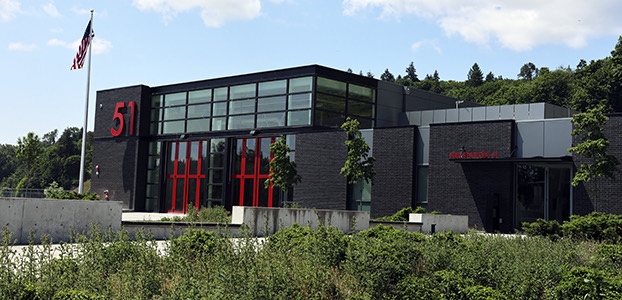
David and Goliath, or a good fit?
Pick a measure. Bars are drawn to scale, so Vashon’s are sometimes barely visible.
Employee counts differ by source: Puget Sound Fire’s website says about 450 (345 uniformed); its 2026 plan, as reported, lists more than 500 after recent annexations.
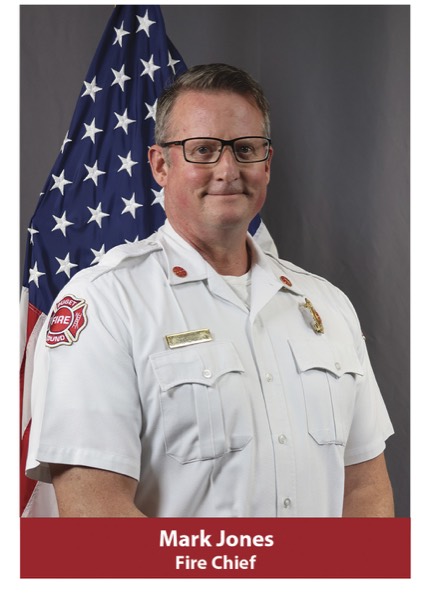
Mark Jones
Puget Sound Fire’s chief began his career in 1991 as a volunteer firefighter with the City of Kent and has served in nearly every role in the department since, from volunteer to deputy chief to chief. He is a Kentwood High School graduate.
His stated priorities: high standards in emergency response, professional development and wellness, community engagement, and “managing resources responsibly” for long-term sustainability. Under annexation he would oversee the whole regional department, including Vashon, with Deputy Chief Ben Davidson as the island’s operational leader.
Photo: Puget Sound Fire
VIFR already trains with Puget Sound Fire
VIFR is one of 15 members of the South King County Fire Training Consortium, a shared training division created in 2010 and based at Puget Sound Fire’s Kent headquarters. Pooling training cuts duplication and keeps crews from different agencies trained the same way, since they often respond together.
So island crews and Puget Sound Fire crews already share curricula, instructors and standards. That is part of why a contract is plausible, and it also means better training isn’t by itself a reason to annex.
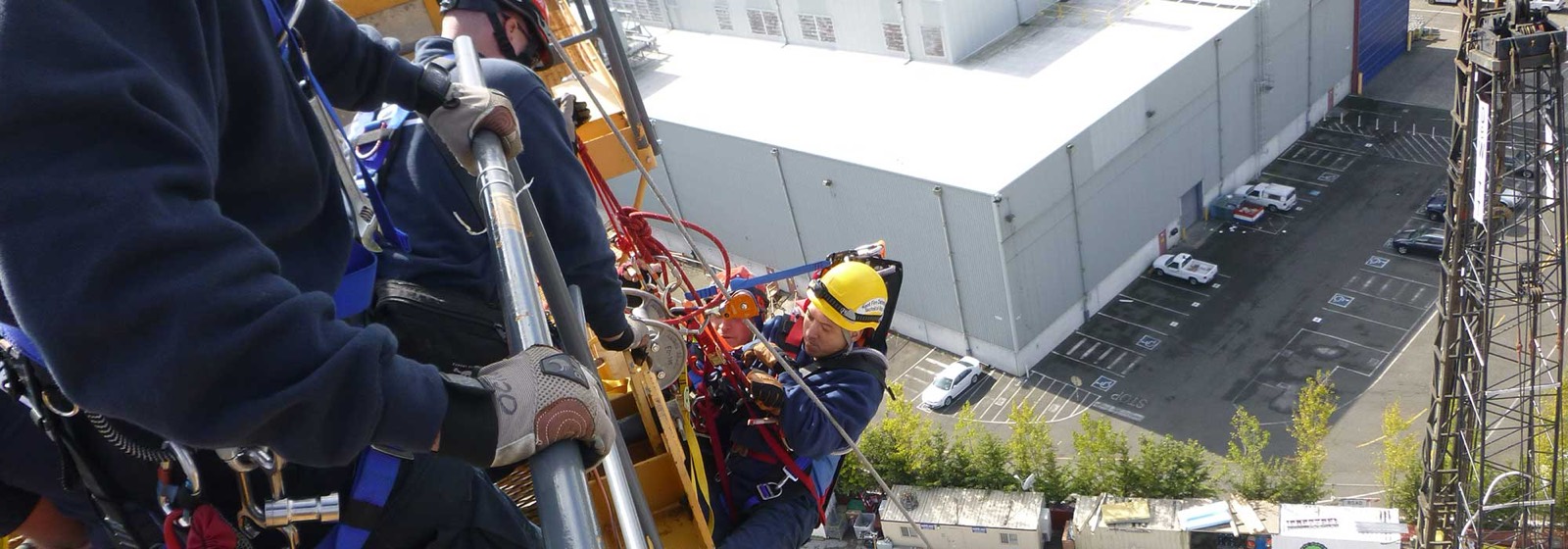
Source: Puget Sound Fire’s consortium page.
Services, compared
Both agencies provide basic life support and rely on King County’s Medic One system for paramedics. The differences are mostly in scale and specialty teams.
| Service | VIFR today | Puget Sound Fire |
|---|---|---|
| Staffing model | Combination: 24 career firefighter/EMTs plus volunteer firefighters, EMTs and support members | All career; about 345 uniformed personnel |
| EMS | Basic life support and its own ambulance transport; two King County Medic One paramedics on the island (not firefighters) | All firefighters are EMTs; paramedics through King County Medic One |
| Community health | Mobile Integrated Health: nurse, social worker, physician assistant | FD CARES: referrals and help navigating social and health services |
| Hazardous materials | Hazmat awareness and operations training (the stated volunteer standard) | Dedicated hazmat unit staffed 24/7 |
| Specialty rescue | Rescue training through the consortium; specialty teams from mutual aid | Water, technical rescue and wildland-urban interface teams |
| Emergency management | Island emergency operations center with VashonBePrepared; sponsors the Vashon Medical Reserve Corps | Emergency management division, CERT, ham radio support team |
| Accreditation | Not stated | Internationally accredited |
Sources: VIFR history, MIH and volunteer pages; Puget Sound Fire about, operations and FD CARES pages.
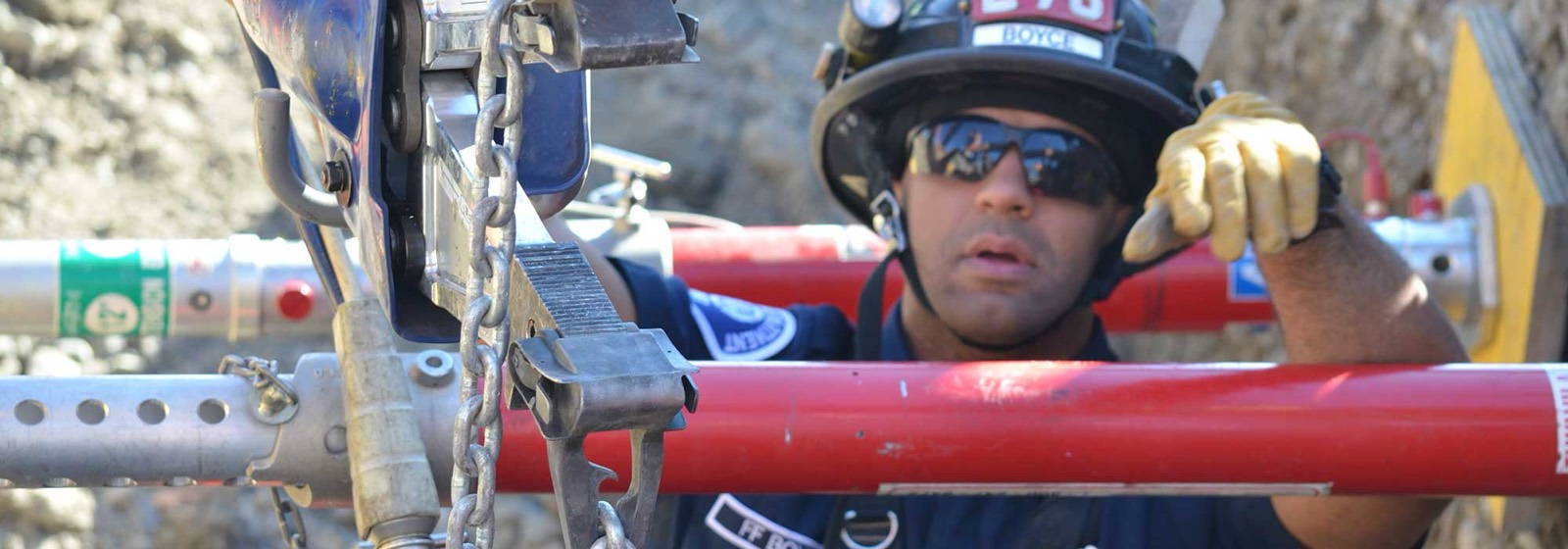
From a Kent volunteer company to a regional authority
The Kent Fire Department traces itself to 1892 and was organized as a volunteer company in 1912. Fire District 37 was formed in 1948 with a $50 loan from the City of Kent. Voters merged them into the Kent Regional Fire Authority in 2010; it became Puget Sound Fire in 2016–17.
Photo: Puget Sound Fire17 stations, by community
None is more than a few miles from the next, which is what mutual backup looks like on the mainland. Vashon’s nearest Puget Sound Fire station would still be a ferry ride away.
Governance: how many seats Vashon would get and how decisions are made is on Who decides. How its funding would change your bill is on Estimate your bill.